
Dr. Md Shahbaz Siddiqui

HOME > Dr. Md Shahbaz Siddiqui

Our Best Services

Our top services encompass advanced joint replacements, minimally invasive surgeries, sports injury rehabilitation, spine treatments, and personalized orthopedic care.
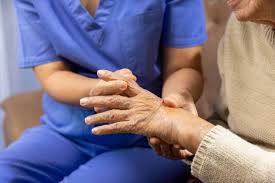
ARTHRITIS

Arthritis refers to joint inflammation, causing pain, stiffness, and reduced range of motion.The most commonly affected joints include the knees, z hands, and spine.
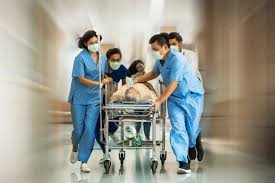
TRAUMA

Trauma is a serious injury or shock to the body caused by external forces such as accidents, falls, violence, or natural disasters. It can affect bones, organs, blood vessels.
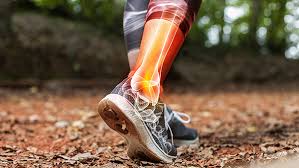
SPORTS INJURIES

Sports injuries occur when part of the body is damaged during athletic activities. They can range from minor sprains to serious ligament tears or fractures.
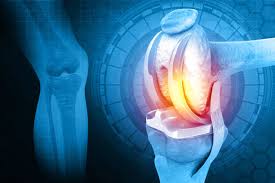
KNEE REPLACEMENT

These images show the components of a knee replacement, including the femoral (thigh bone) and tibial (shin bone) components, and the plastic spacer that replaces the cartilage.
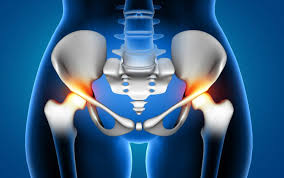
HIP REPLACEMENT

Hip replacement, or total hip arthroplasty, is a surgical procedure where a damaged hip joint is replaced with an artificial implant. It helps relieve pain, improve mobility.
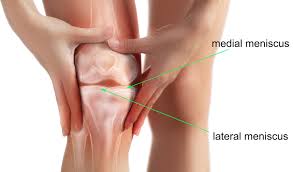
MENISCAL INJURIES

These injuries are common in athletes and active individuals but can occur in anyone, especially with sudden twisting of the knee.Scoliosis – Curvature of the spine.
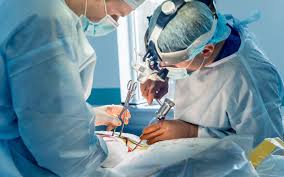
SPINE SURGERY

Spine surgery is performed to treat chronic back pain, spinal disorders, nerve compression, and injuries that do not respond to non-surgical treatments.
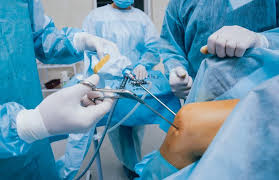
ARTHROSCOPY

Arthroscopy is a minimally invasive surgical procedure used to diagnose and treat joint problems with precision and minimal recovery time.Knee (meniscus tears.
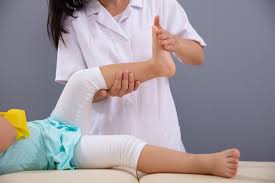
PEDIATRIC ORTHOPAEDICS

Pediatric orthopaedics is a specialized field focusing on diagnosing, treating, and managing musculoskeletal conditions in infants, children, and adolescents.


Our Testimonials

Patients praise
Dr. Md Shahbaz Siddiqui
compassion.

This is the heading

Lorem ipsum dolor sit amet, consectetur adipiscing elit. Ut elit tellus, luctus nec ullamcorper mattis, pulvinar dapibus leo.

Frequently Asked Questions

What is shoulder replacement surgery?

This surgery replaces the ball-and-socket joint of the shoulder with metal and plastic parts. It’s usually used as a last resort to treat severe damage, deformity, or chronic pain. 

Shoulder replacement surgery is very successful at relieving pain, but it’s not perfect. You might still feel some pain when the weather changes or if you’re too active. The amount of improvement in range of motion is less predictable than pain relief. 

This surgery replaces the ball-and-socket joint of the shoulder with metal and plastic parts. It’s usually used as a last resort to treat severe damage, deformity, or chronic pain. 

Shoulder replacement surgery is very successful at relieving pain, but it’s not perfect. You might still feel some pain when the weather changes or if you’re too active. The amount of improvement in range of motion is less predictable than pain relief. 

Candidates include individuals with severe hip pain, joint stiffness, and limited mobility due to arthritis, injury, or degeneration, especially when non-surgical treatments have not provided relief.


Candidates include individuals with severe hip pain, joint stiffness, and limited mobility due to arthritis, injury, or degeneration, especially when non-surgical treatments have not provided relief.

 
What does the operation involve?

The operation usually takes 30 minutes to an hour. Your surgeon will make two small cuts, about half a centimetre long, one at the front and one at the back of your shoulder. They will insert a small telescope through one of the cuts so they can examine the joint. 

You should have less pain and be able to use your shoulder better.

The operation usually takes 30 minutes to an hour. Your surgeon will make two small cuts, about half a centimetre long, one at the front and one at the back of your shoulder. They will insert a small telescope through one of the cuts so they can examine the joint. 

The operation usually takes 30 minutes to an hour. Your surgeon will make two small cuts, about half a centimetre long, one at the front and one at the back of your shoulder. They will insert a small telescope through one of the cuts so they can examine the joint. 

If you smoke, stopping smoking now may reduce your risk of developing complications and will improve your long-term health.

Try to maintain a healthy weight. You have a higher risk of developing complications if you are overweight.

Regular exercise should help to prepare you for the operation, help you to recover and improve your long-term health. Before you start exercising, ask the healthcare team or your GP for advice.

Speak to the healthcare team about any vaccinations you might need to reduce your risk of serious illness while you recover. When you come into hospital, practise hand washing and wear a face covering when asked.

You should have less pain and be able to use your shoulder better.

Scroll to Top